Quick Answer
Selling a business in Ontario runs through seven stages: preparing the business and its records, finding and qualifying a buyer, the letter of intent, buyer due diligence, the purchase agreement, closing, and the transition period after. Most sales take three to six months from LOI to close, and the preparation work you do beforehand shapes both your price and how smoothly diligence goes.
The Selling Process
1
Prepare business
2
Find buyer
3
LOI
4
Buyer diligence
5
Purchase agreement
6
Closing
7
Transition
The Complete Guide
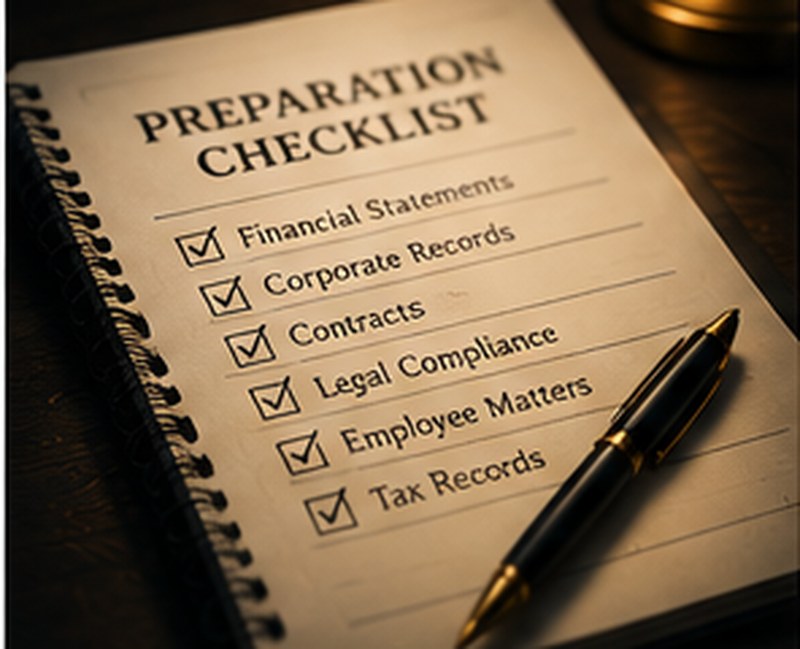 OverviewSelling a Business: What to Expect
 PreparationPreparing Financial StatementsComing Soon
 PreparationCleaning Corporate RecordsComing Soon
 DiligenceDue Diligence
 Term sheetLetter of Intent
 StructureAsset vs. Share Purchase
 ContractAsset Purchase Agreement
 ContractShare Purchase Agreement
 PricingEarnouts
 FinancingVendor Take-Back Financing
 SecurityPPSA Security
 PricingWorking Capital
 ProtectionRestrictive Covenants
 ClosingClosing Mechanics
 TransitionPost-Sale TransitionComing Soon
 RiskOwner Dependence
 Wealth ManagementChoosing How to Invest After Selling
Frequently Asked Questions
How long does it take to sell a business in Ontario?
Most sales take three to six months from a signed LOI to closing. The preparation work before you go to market, cleaning up financials and corporate records, is what determines whether that timeline holds or stretches out once a buyer starts asking questions.
Should I clean up my corporate records before going to market?
Yes, before you go to market, not after an offer is on the table. Buyers and their lawyers review your minute book, share ledger, and material contracts early in diligence, and gaps or inconsistencies found there slow everything down and give a buyer leverage to chip away at price.
What is an estate freeze and do I need one before selling?
An estate freeze locks in the current value of your shares for tax purposes, which can matter if you're planning to bring in family members as owners or want to start multiplying access to the lifetime capital gains exemption before a sale. Whether you need one depends on your ownership structure and timeline, and it's worth discussing well before you're actively marketing the business.
Will the buyer want an asset purchase or a share purchase?
Most buyers prefer an asset purchase because it limits what liabilities they take on and lets them pick which assets to acquire. As the seller, a share sale is usually more favourable to you, both for simplicity and potential tax treatment, so structure is one of the first things worth negotiating rather than accepting the buyer's default position.
Do I need a business broker, a lawyer, or both?
Both, and they do different jobs. A broker markets the business and finds buyers. A lawyer prepares the business for diligence, negotiates the purchase agreement, and protects you from liability after closing. Skipping the legal side to save on broker fees is one of the more expensive mistakes a seller can make.
How far in advance should I start preparing to sell?
Ideally twelve to twenty-four months before you plan to go to market. That gives enough runway to clean up financials, tighten corporate records, and address anything, like owner dependence or a messy shareholder structure, that would otherwise slow diligence down or knock value off the price.
What is buyer due diligence looking for?
Buyers dig into financial accuracy, customer concentration, contract terms, employment matters, and corporate record cleanliness, essentially confirming that the business is what it appears to be on paper. The fewer surprises they find, the faster diligence moves and the less leverage they have to renegotiate price.
Can I negotiate an earnout instead of taking all cash at closing?
Yes, and it's common in deals where the buyer wants to bridge a gap in valuation or tie part of the price to the business hitting certain targets after closing. An earnout can get a deal done that wouldn't otherwise close, but the terms need to be specific and measurable, since vague earnout language is one of the most common sources of post-closing disputes.
What happens to my employees when I sell?
It depends on the deal structure. In a share sale, employees generally continue with the corporation as-is. In an asset sale, the buyer typically offers employment to some or all employees, and Ontario employment law has specific rules about notice and continuity of service that both sides need to account for in the purchase agreement.
Do I need to disclose everything to a buyer during due diligence?
You need to disclose what's material to the value and risk of the business, which is usually more than sellers expect. Representations and warranties in the purchase agreement create legal consequences if something turns out to be inaccurate, so full and accurate disclosure during diligence is what protects you after closing, not what puts you at risk.